At QueenBee, we love stories that invite us to pause, reflect and reconnect with what truly matters. In Journey of Finding Home, Marina Pritchard explores a question many of us quietly carry: what does home really mean in a modern, fast-moving world?
Blending personal reflection with wider social insight, Marina examines belonging, rootedness and the growing sense of disconnection many feel, especially in urban life. This is a thoughtful and timely piece that encourages us to rethink how we find home, not just in places, but in people, purpose and everyday acts of connection.

For a long time, I’ve found myself returning again and again to one particular question:
What is home?
At its heart, I have been curious to see how this question opens up a deeper understanding of what connects us to one another and to the places we live. My thinking on this topic is also mainly in relation to people living in cities, considering nearly two thirds of the world’s population are projected to live in urban areas by 2040. That makes it feel more pressing than ever to explore this question in a city context.
Home Beyond Four Walls
From the conversations I’ve had this past year, I am realising that home is more than just four walls. Home is an essential human need that can be difficult to express in words. It’s an interconnected web of intrinsic and extrinsic elements. Some of it we can control and some of it we can’t. It is something we search for wherever we go: In others, in ourselves and in the spaces we frequent.
This search is deeply human and resonates at the very core of our being, which is why it appears so often in ancient and enduring stories. For me, rediscovering The Odyssey reignited this question, a story where reaching home becomes the ultimate goal of life.
Nowadays, we look for home, but we don’t always find it. Often, it feels just out of reach — a place that exists only in memory.
Hiraeth: Longing for a Home That May Never Have Existed
There’s a beautiful Welsh word that captures this feeling. I’m half Welsh and my uncle introduced it to me last year:
Hiraeth
‘It describes a homesickness for a home you cannot return to or perhaps a home that never truly existed, carrying nostalgia, yearning and grief for lost places of the past.’
I think the depth of this word resonates with many of us. We are slowly losing a tangible sense of home. It feels increasingly distant, something we long for but can’t quite grasp.
Cities, Disconnection and the Loneliness Epidemic
When we lose this sense of home, we are less likely to contribute to civic life and more likely to feel anonymous, uprooted, adrift and alone — especially in large transient cities like the one I live in now. I believe this is a core reason why we are in the midst of a growing loneliness epidemic. Something needs to change. We need to rediscover what helps us feel part of the places we live, no matter how long or short our stay may be.
We need to rethink how we find home.
What has shifted for some of us is this: instead of searching for rootedness, we are now searching for anchoring.
In the past, many more of us were like trees, rooted to place and people for an entire lifetime. Once we put down roots we stayed. Familiarity, consistency and community engagement were part of everyday life. Our view of the world and our place within it was narrower, shaped by the limits of travel, the slower spread of information and the smaller circles of people we could know. These factors may have given us the time and space to cultivate a deeper sense of home and belonging.
Today, we are returning to more nomadic ways of living, like our hunter-gatherer ancestors. The difference now is that it’s not just our environment that shifts, the people around us do too. Communities become ephemeral and growth happens at speeds we cannot keep up with. Paradoxically, our access to so much more, to endless possibilities, can limit us. We don’t always have the time and space to fully engage with the communities we live in, or to nurture the deeper relationships that we need in order to flourish.
Why Anchoring Matters in Modern Life
This is why anchoring matters in modern cities. Even amid instability, change and growth we need something that keeps us tied to a place, while still allowing us the freedom to move. I’m still unclear and not yet able to fully articulate what these modern anchors are, but visualising it this way has helped me better understand what the future of home may look like.
Like boats, we can choose to move, but we still need anchors- something that keeps us connected even through changing tides and constant motion.
So how can we return to a sense of home in modern cities?
First we must ask ourselves what are the pillars of feeling at home:
- Feeling needed by others
- Feeling that you are having a positive impact
- Consistency and familiarity
- A space you can make your own
- A place where you can express yourself
- A place to rest and feel safe
- Proximity and meaningful connection to people who care about you
- Visibility and understanding of what’s happening in your community and where you fit within it
- Awareness of our spiritual essence
- Respect for the nature around us
- (anything else?)
Next we can ask which of these pillars matter most. Looking at the list, what would help you feel most at home? Which areas do you want to focus on this year and where have your priorities been?
Then we can reflect on what is currently missing from the place you live? In what ways is it not meeting your need for home? What needs to change and how might you help create that change?
Finally, what small actions can you take to make a place feel more like home for yourself and for others? Sometimes it’s as simple as a smile, a hug or a small act of kindness. These small gestures can make a big difference.
An Ongoing Journey
I am on this journey myself. I’m trying to understand my pillars of home, identify which matter most to me, notice what’s missing from the city I live in and explore what steps I can take to feel more at home and help others feel at home too.
My intention for the year ahead is to continue delving deeper into these questions and gain more clarity by gathering perspectives from the people I meet. That is why in 2026 I will be launching my podcast, Floating Tree. By bringing together voices from the community, we can co-create and reimagine the solutions that help people find home.
If you’d like to share your perspective or be a guest on my podcast, please reach out to me at findinghomewithmarina@gmail.com. I would love to hear from you.
P.S. To everyone in my life who has patiently listened to me talk about this endlessly this past year — thank you. Thank you for your patience, your curiosity, and for the incredible conversations we’ve had.
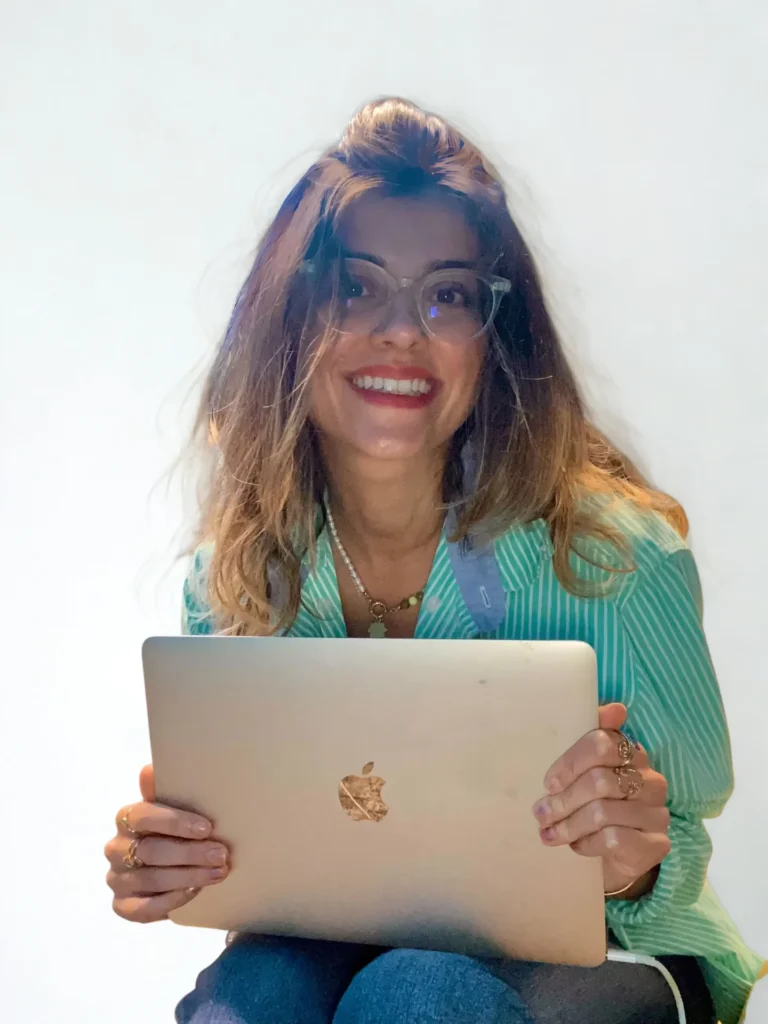
Marina Pritcharad
Allia | Programme Manager | Cambridge
Supporting Impact driven social entrepreneurs that are following their passions and purpose.